
Finding a biotech operations consulting agency that ties regulatory planning, manufacturing oversight, and sustained execution together is harder than expected. Most firms stop at regulatory advice or one-off strategy and do not offer ongoing operational partnerships or cross-discipline integration. This comparison shows five agencies side by side, so biotech decision makers can pick a match that combines technical, regulatory, and operational strengths for their program.
Table of Contents
- HaiPhai
- Cilatus BioPharma Consulting
- BioAcuity Consulting
- The NemetzGroup
- Ospree Consulting
- Comparison of alternatives
HaiPhai
At a Glance
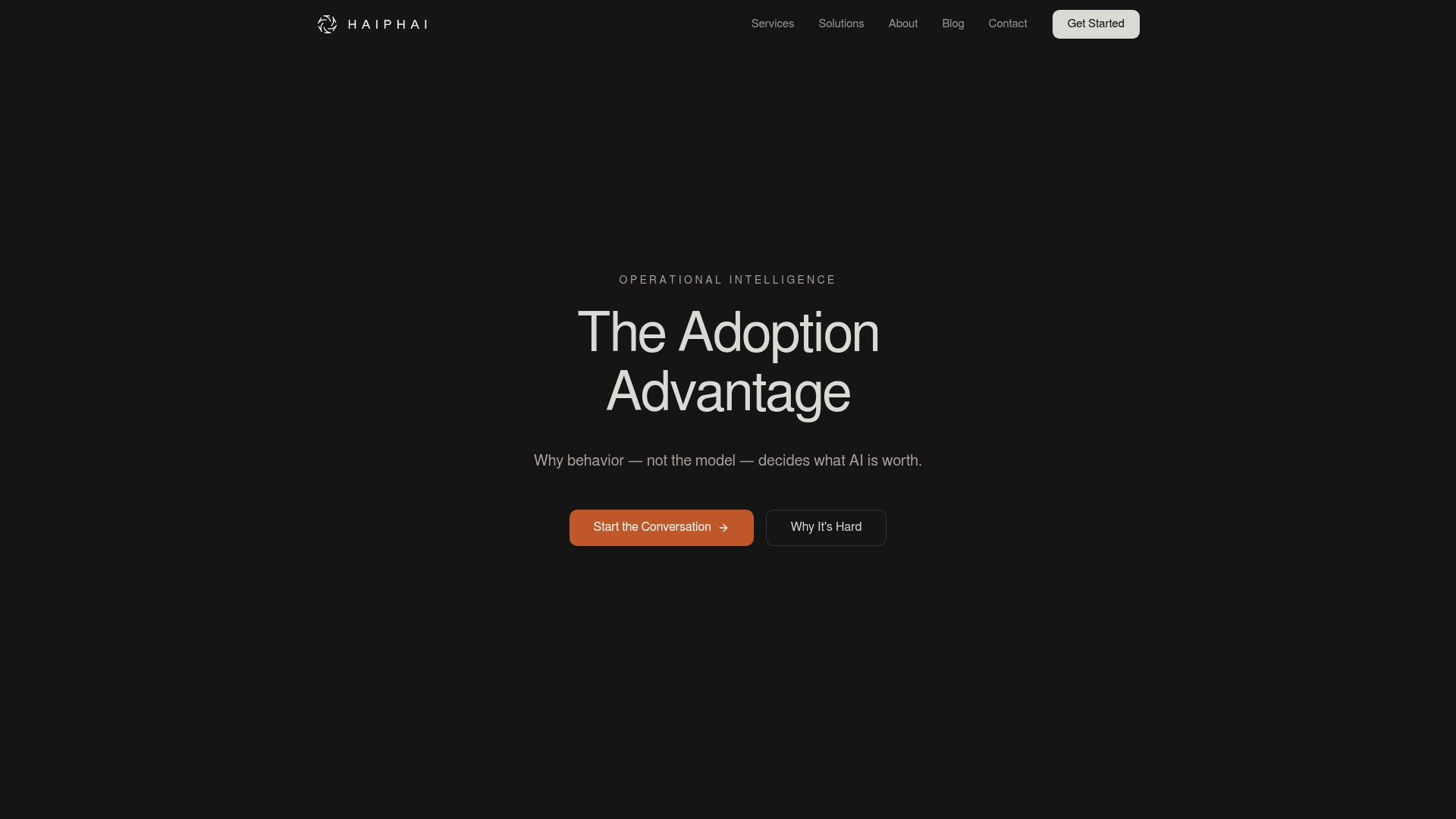
The vendor advertises that clients can reclaim up to 18 months of operational time on their path to approval. HaiPhai pairs executive education with hands-on deployment to shorten cycle times and reduce function costs. The approach centers on changing how teams work so AI actually gets used.
Core Features
HaiPhai runs executive education customized to actual workflows, and performs organization-wide assessments that map role-specific fluency. The offering includes an embedded AI operating partnership for ongoing deployment and maintenance, so it designs workflows around AI capabilities to secure adoption and impact. The team builds custom AI agents and integrations that match specific operational needs.
Key Differentiator
HaiPhai specializes in behavior-centered redesign of work processes around AI rather than tool-first rollouts. The team reorganizes tasks and roles to fit AI capabilities, which drives measurable adoption. That focus on behavior and process change separates it from consultancies that stop at pilots.
Pros
The phased engagement model covers executive education, organization assessment, and an ongoing operational partnership, which supports sustained capability growth. Embedding as an ongoing partner reduces the implementation gap between pilot and routine use. The vendor claims improvements in cycle times, increased output per expert, and lower function costs, and the engagement model targets the organizational friction that blocks AI adoption.
Cons
- Requires organizational commitment and willingness to change workflows and culture.
Who It's For
Biotech decision-makers and project managers who need AI to alter how work gets done will find this useful. You should have leadership buy-in and time to manage process change. This is not a fit for teams seeking a quick, tool-only deployment.
Unique Value Proposition
The phased engagement pairs executive training with an embedded operating partner that deploys and maintains AI across teams. That structure shifts risk from one-off pilots to ongoing capability building and helps convert executive strategy into everyday practice. For companies seeking measurable workflow change, this model links training to live operations.
Real World Use Case
A biotech company worked with HaiPhai to redesign R&D workflows around AI tools. The engagement combined leadership training, role-level fluency work, and live agent deployment. The result was faster target validation and shorter development cycle phases.
Pricing
Not applicable — informational only. HaiPhai does not publish standard tiered pricing. Contact the vendor for engagement-level pricing and scope details.
Website: https://haiphai.com
Cilatus BioPharma Consulting
At a Glance
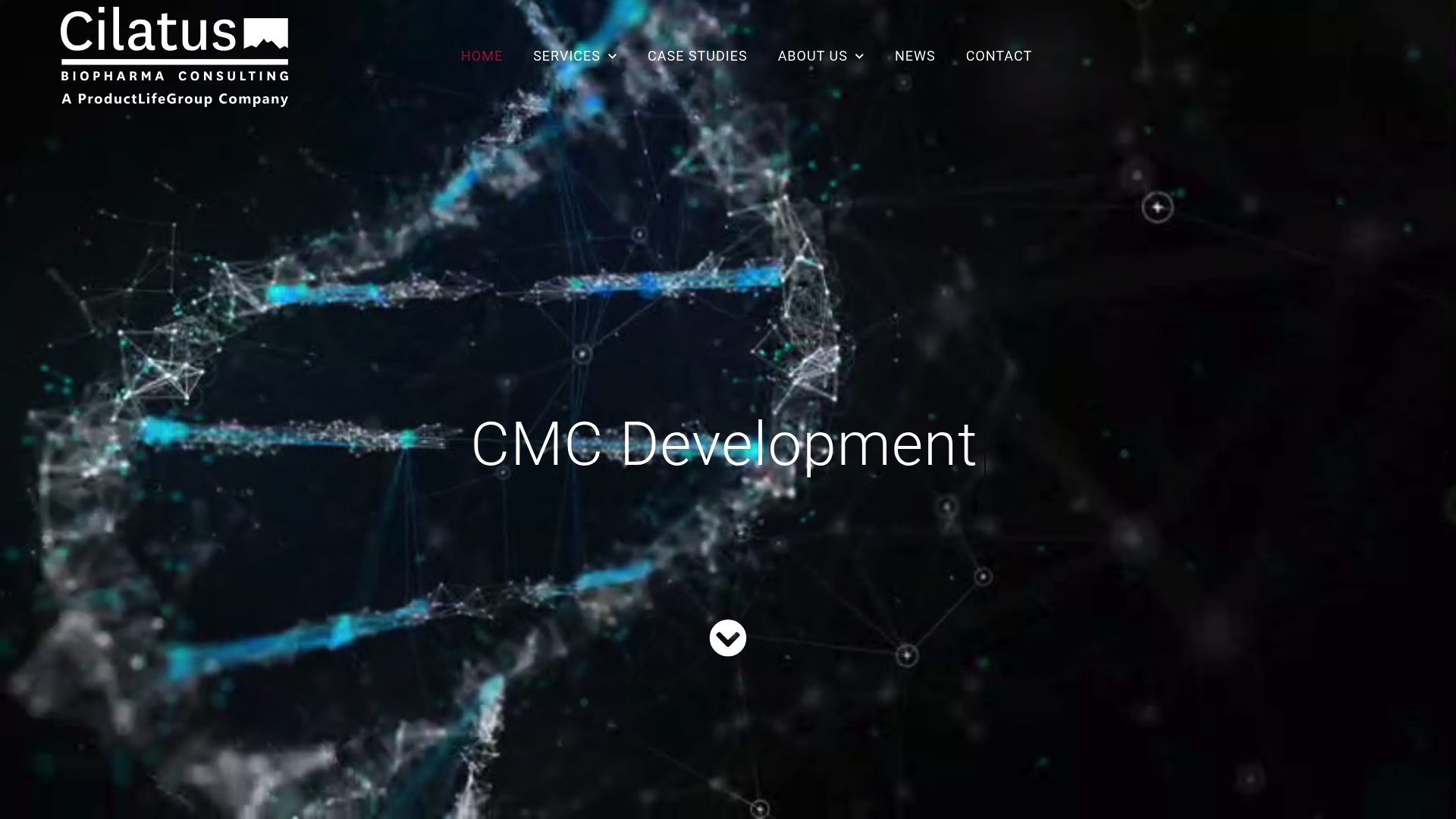
Qualified Person certification services combine with CDMO and CMO search and oversight from teams based in Switzerland, Germany, Ireland, and the USA. The firm was established in 2014 and focuses on CMC development, GMP manufacturing, and regulatory strategy for complex biologics. Cilatus supports programs from early development through commercial manufacturing for ATMPs, APIs, and drug products.
Core Features
Cilatus delivers hands-on CMC development expertise alongside GMP manufacturing and regulatory strategy work, with explicit support for ATMPs and both small and large molecules. The firm offers Qualified Person certification services and CDMO management plus conceptual engineering for manufacturing facilities. Strategic planning for product lifecycle management ties regulatory, quality, and manufacturing inputs into coordinated program deliverables.
Key Differentiator
The firm packages cross-discipline consulting under a single engagement model so teams get regulatory, quality, and manufacturing oversight from the same group. That integrated approach favors clients needing coordinated technical leadership rather than fragmented advisory inputs. This focus makes Cilatus a narrower fit compared with Haiphai, which acts as an operational partner starting from strategic goals and backtracking into process redesign and AI-enabled tool builds.
Pros
Deep technical experience spans CMC, regulatory affairs, and GMP manufacturing and supports both small and large molecule programs. The global footprint in Switzerland, Ireland, Germany, and the USA helps coordinate EU and US regulatory expectations and supplier oversight. The team also covers CDMO search and oversight and offers conceptual engineering that links facility planning to regulatory readiness.
Cons
- The service mix leans toward strategic consulting and external vendor management, so clients needing only tactical, in-house execution will likely find the engagement model misaligned.
- The firm specializes in biopharma and pharmaceutical clients, making it a poor fit for other industries that need generic operations consulting.
- Pricing is not published and appears to require custom scoping, which can slow procurement for smaller teams.
When It May Not Fit
If your priority is a plug-and-play, on-site operations team for daily lab or manufacturing tasks, this model may not match your needs. Organizations outside pharma and biotech will find the domain expertise excessive for their problems. If you need fixed, listed pricing to fit a tight procurement window, the custom-quote model will add procurement steps.
Who It's For
Biotech and pharmaceutical companies that need a single vendor to own CMC strategy, regulatory submissions, and GMP manufacturing oversight will get the most value. Programs with complex modalities such as ATMPs, or those preparing EU and US dossiers, will benefit from the combined QP and regulatory capabilities. Teams that accept scoped consulting engagements rather than productized subscriptions are the ideal buyers.
Real World Use Case
The vendor describes a mid-sized biotech hiring Cilatus to prepare a late-stage regulatory dossier and provide GMP manufacturing oversight. Cilatus coordinates the CDMO selection, aligns documentation for EU and US regulators, and supports Qualified Person review ahead of batch release. That engagement model reduces handoffs between regulatory, quality, and manufacturing stakeholders.
Pricing
Pricing is not specified and appears to be offered via custom quotes tailored to project scope and regulatory complexity. Expect engagement pricing based on deliverables, travel, and the level of QP or on-site oversight required.
Website: https://cilatus.com
BioAcuity Consulting
At a Glance
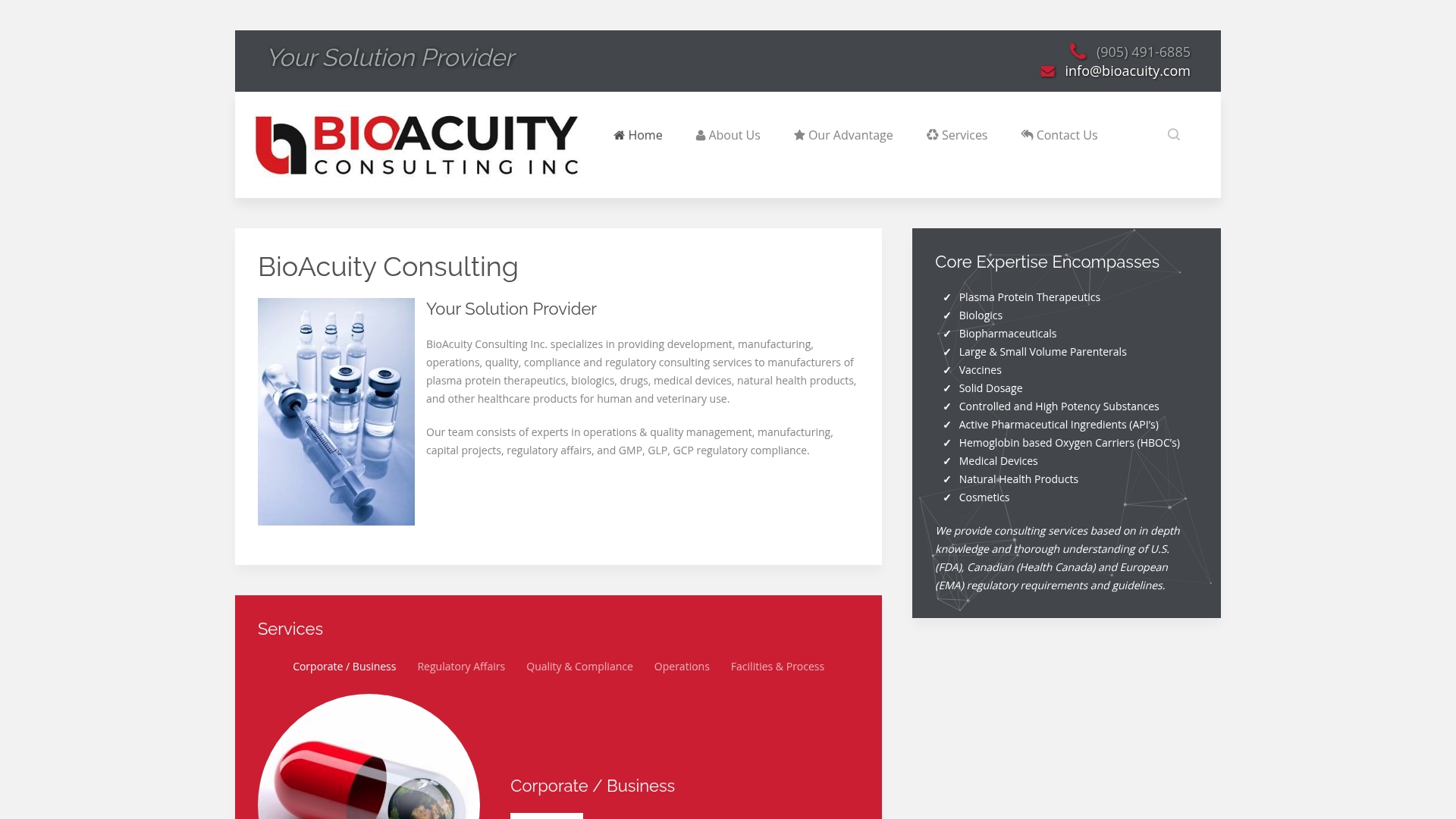
Supports regulatory programs across the U.S., Canada, and Europe for biologics, drugs, medical devices, vaccines, and natural health products. BioAcuity Consulting concentrates on regulatory strategy, quality systems, and facility design for life sciences manufacturers. That focus makes them a practical choice when regulatory alignment across multiple jurisdictions is the priority.
Core Features
BioAcuity combines regulatory affairs, quality management, and facility design into coordinated advisory work that covers the product lifecycle from development to operation. Their team handles licensing, approvals, inspections support, and quality system validation while mapping requirements for FDA, Health Canada, and EMA. Facility design and process validation advice accompanies regulatory strategy to reduce rework at inspection time.
Key Differentiator
The firm pairs regulatory knowledge across three major jurisdictions with operational experience in facility build and validation. That means regulatory recommendations come with concrete design and commissioning steps rather than abstract checklists. For programs that need both a regulatory pathway and execution-ready validation plans, this combined perspective shortens handoff between design and compliance teams.
Pros
Deep regulatory knowledge across U.S., Canadian, and European authorities helps teams draft filings that reflect multiple agency expectations. The mix of quality system development and facility validation reduces gaps between QA documents and plant acceptance criteria. Practical, operations-oriented advice helps manufacturing and engineering stakeholders align on validation timelines and regulatory deliverables. Integrated service areas limit the number of external consultants you must coordinate on licensing and inspection preparedness.
Cons
-
May not include on site execution or hands on manufacturing support. Clients needing contractors for construction or bench work will need separate providers.
-
Potentially high cost for extensive consulting projects. Large validation or program work can require multiweek consulting retainers.
-
Dependent on client cooperation for implementation. Timelines shift when internal resources or documentation are missing.
-
Not a software product. Organizations seeking automation or software only workflows will find this service misaligned with their needs.
When It May Not Fit
If you need turnkey laboratory or manufacturing services, BioAcuity will not deliver equipment installation or production staffing. The practice centers on advisory work and regulatory submissions rather than on site operational execution. Firms that require digital tools, automation, or software first should look elsewhere for a software led solution.
Who It's For
Biotech, pharmaceutical, and medical device manufacturers that must meet FDA, Health Canada, or EMA requirements will benefit from this offering. Product teams planning GMP facility design or preparing regulatory submissions will find the service relevant. Early stage companies that lack inhouse regulatory and quality expertise gain a practical external partner.
Real World Use Case
A biotech startup planning a plasma derived biologic retained BioAcuity to map a regulatory pathway and align facility validation with licensing milestones. The firm produced a phased validation plan that matched regulatory submission timing and inspection readiness. That coordination reduced conflicting requirements between engineering and quality groups during commissioning.
Pricing
Pricing is not applicable for public listing and is described as informational only. BioAcuity does not publish standard rates; prospective clients receive project or retainer proposals after scoping.
Website: https://bioacuity.com
The NemetzGroup
At a Glance
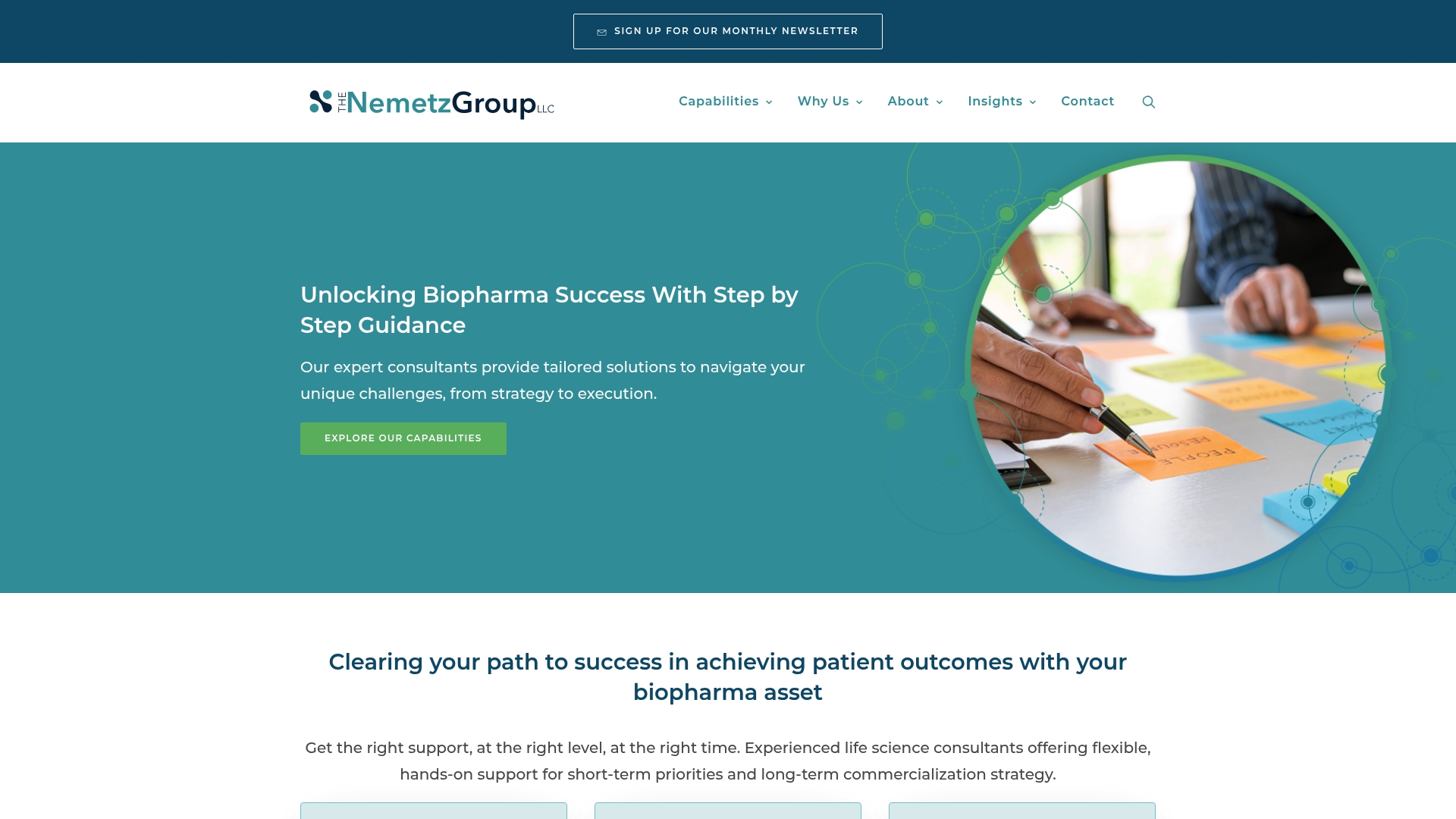
The NemetzGroup rests on decades of collective biopharma leadership and operations experience. The firm pairs strategic corporate planning with hands-on commercialization and medical affairs support. Clients report a focus on practical deliverables that move programs from strategy to execution.
Core Features
The team performs market assessment, target profile development, and competitive intelligence to shape commercial plans. Medical affairs work covers KOL engagement, scientific storytelling, and clinical study support while commercialization services range from gap analysis to launch readiness. Leadership advisory and internal capability building round out offerings so organizations can manage product lifecycle tasks with in-house teams.
Key Differentiator
Deep industry experience sits at the center of the firm's approach and the consultants adapt their work to each client’s specific challenge and stage. That flexibility lets them combine commercial planning, medical affairs, and executive counsel into coordinated programs. The emphasis is on long term commercial viability rather than one-off tactical fixes.
Pros
The NemetzGroup brings extensive biopharma domain knowledge and practical experience across product development and commercialization. Their approach adapts to client needs and combines strategic guidance with capability building, which helps teams keep work inside the organization after the engagement ends. The firm stresses patient outcomes alongside commercial metrics, making recommendations that align scientific positioning with market access and stakeholder engagement.
Cons
- Limited public pricing information. The firm markets bespoke engagements rather than published rates, which complicates early budget planning.
- Few client testimonials or case studies available on the public site, so independent evidence of impact is sparse.
- The offering is advisory and service focused rather than product driven, which may frustrate clients seeking packaged tools or software.
Who It's For
Biopharma executives and leadership teams that need senior-level strategic counsel and operational planning will get the most from these services. Companies preparing for late-stage trials or a first commercial launch benefit from the combination of medical affairs and commercialization expertise. Smaller biotech teams that want external partners to build internal skills are a natural fit.
Real World Use Case
A biotech in Phase 3 engaged The NemetzGroup to craft its commercialization plan. The firm led the market assessment, mapped stakeholder engagement, and shaped the scientific narrative for payers and KOLs. The engagement also included training for the client’s commercial team so they could execute the launch plan internally.
Pricing
Pricing is not specified publicly. Services are likely sold as bespoke consulting arrangements with scope and fees set per engagement and client needs.
Website: https://nemetzgroup.com
Ospree Consulting
At a Glance
Over 30 years of life science experience anchors Ospree Consulting's advisory work with biotech and pharmaceutical teams. The firm pairs strategic planning with hands on operational delivery to move programs from intent to execution. Its client base centers on mid to large size organizations that need operational and manufacturing guidance.
Core Features
Ospree delivers strategy led consulting across product management, technical operations, and business processes, with an emphasis on execution. The team applies experience based methods to diagnose bottlenecks and propose practical changes across development, manufacturing, and supply chain. Engagements are tailored to specific program needs and end with implementation plans and operational handoffs.
Key Differentiator
The practice combines long tenured industry veterans with a clear focus on turning strategy into deliverable workstreams. That focus on execution and delivery sets Ospree apart from advisors that stop at roadmaps. The firm aims to align corporate goals with measurable operational changes.
Pros
Deep domain expertise shows up across product development, manufacturing, and supply chain work. The firm emphasizes operational delivery and follows through on implementation tasks rather than leaving clients with only recommendations. Clients gain access to an experienced team of industry veterans who handle both strategic design and practical rollout of process changes.
Cons
- No clear online pricing or packaged fees, which suggests engagements start with custom proposals and tailored budgets.
- Primary focus on larger biotech, pharmaceutical, and life science organizations, so smaller companies may find the scope misaligned.
- Limited public mention of digital tools or technology platforms beyond consulting, which means you may need to source software separately.
When It May Not Fit
If your organization is an early stage biotech with a small headcount, Ospree's services may exceed your current scale and budget. If you require a consulting partner that also supplies turnkey digital tooling, this firm does not advertise that capability. If you need transparent fixed price packages online, their model may feel opaque.
Who It's For
Decision makers and project managers at biotech and pharmaceutical companies who need operational leadership will find this most relevant. Teams that must convert executive strategy into manufacturing and supply chain actions will benefit. Organizations seeking a vendor that emphasizes execution rather than high level planning should consider contacting Ospree.
Real World Use Case
A mid stage biotech engaged Ospree to develop an operational model for pipeline development and manufacturing scale up. Ospree mapped existing processes, identified handoff gaps, and produced a phased implementation plan. The firm then supported the client through the initial operational changes and supplier alignment.
Pricing
Pricing is not listed publicly and the site presents consultative engagements as informational only. Expect custom consulting fees determined after scoping and a proposal conversation. Contact Ospree for a project estimate and engagement terms.
Website: https://ospreeconsulting.com
Comparison of alternatives
When evaluating biotech-focused operational consulting solutions, each reviewed provider brings specific strengths that cater to distinct organizational needs. Consequently, businesses seeking tailored strategies must consider contrasting approaches to discover the best fit for their objectives.
Operational transformation and AI integration
HaiPhai adopts a unique focus on behavior-centered redesign of workflows, promoting sustained AI adoption and optimizing operational methodologies. By embedding within the organization, HaiPhai aligns team roles and tasks to maximize AI's advantages effectively.
Strategic execution and delivery focus
Ospree Consulting appeals to clients requiring practical execution alongside advisory services, as it excels in follow-through on manufacturing, commercialization, and supply chain initiatives. This emphasis on seeing projects through to results provides tangible value to mid to large-sized biotech businesses.
Best fit
- Organizations aiming to implement long-term AI-driven operational transformations should consider HaiPhai, as its embedded partnership ensures sustained execution of revitalized workflows.
- Teams seeking a singular consultant to supervise CDMO management tied with compliance procedures will appreciate Cilatus BioPharma Consulting's expertise.
- Companies needing cross-regional regulatory coordination over the US, Canadian, and European markets would gain significant advantages with BioAcuity Consulting.
- Firms entering advanced stages of product development aiming for market readiness should explore The NemetzGroup for its deep commercialization expertise.
- Executives seeking hands-on assistance in operational delivery will value the execution-oriented focus of Ospree Consulting.
Our pick
For organizations aiming to achieve lasting operational improvements through AI adoption that extends beyond pilot phases, HaiPhai provides support through its focus on embedding AI capabilities into client operations. However, teams with immediate execution demands or those specializing in narrower regulatory markets might find alternatives more aligned with their needs.
Organizations seeking consulting services that embed operational partnerships to drive measurable workflow transformation should evaluate the comparison provided.
| Product | Core Features | Key Differentiator | Best For | Pricing | Notable Limitation |
|---|---|---|---|---|---|
| Haiphai | AI operating partnership custom executive education | Focus on behavior-centered AI adoption | Biotech teams needing AI transformation | Price not published | Requires commitment to workflow and culture change |
| Cilatus BioPharma Consulting | CMC development GMP manufacturing regulatory strategy | Integrated cross-discipline consulting paradigm | Biotech firms needing regulatory and GMP solutions | Price not published | Limited tactical execution for internally-driven operations |
| BioAcuity Consulting | Regulatory affairs quality systems facility design | Cross-jurisdictional regulatory alignment | Biotech and pharma firms requiring regulatory compliance | Price not published | No onsite execution or manufacturing support |
| The NemetzGroup | Corporate planning commercialization medical affairs support | Client-specific strategy adaptability | Biopharma firms preparing late-stage or launch plans | Price not published | Limited public case studies and packaged tools availability |
| Ospree Consulting | Technical operations product management strategy | Emphasis on execution and implementation | Large pharma and biotech teams scaling operations | Price not published | Primary focus on larger organizations may exceed smaller firms’ needs |
Challenges in Choosing ServiceInsight.io Alternatives for Biotech Teams
Biotech decision-makers and project managers often face delays caused by operational inefficiencies that extend timelines and increase costs. Many tools claim to help but fall short by focusing solely on software instead of reshaping workflows and behaviors to truly integrate AI. Haiphai addresses this gap by partnering with your teams to reduce cycle times and improve output per expert through custom AI agents and process redesign.
Haiphai helps reclaim up to 18 months of operational time on your path to approval. This advantage can significantly boost your company’s valuation and funding potential. Learn more about the Haiphai embedded AI operating partnership and how it tailors solutions to your real workflows rather than offering one-size-fits-all tools. If your team needs a partner who turns executive strategy into daily practice and accelerates AI adoption, explore Haiphai’s approach to transforming biotech operations.
FAQ
What advantages does Haiphai offer in reducing operational cycle times?
Haiphai can help clients reclaim up to 18 months of operational time on their path to approval. This improvement is achieved by pairing executive education with hands-on deployment to shorten cycle times and reduce function costs. Organizations can expect a more efficient workflow by integrating these strategies into their operations.
How does Haiphai compare to Cilatus BioPharma Consulting regarding regulatory strategy?
Cilatus BioPharma Consulting excels in providing deep technical experience across CMC, regulatory affairs, and GMP manufacturing. This makes it a suitable choice for teams focused on regulatory strategy, especially in complex biopharma cases. In contrast, Haiphai specializes in behavior-centered redesign, which is better suited for companies looking to change how work gets done around AI tools.
Can I expect ongoing operational support from Haiphai?
Yes, Haiphai includes an embedded AI operating partnership for ongoing deployment and maintenance. This ensures that teams have continuous support and guidance as they adapt to new operational processes surrounding AI capabilities. Readers seeking sustained capability growth will find this feature particularly beneficial.
What kind of organizational commitment do I need to work with Haiphai?
Clients must demonstrate a willingness to change workflows and organizational culture to benefit fully from Haiphai's services. The emphasis on behavior-centered redesign requires team involvement and leadership buy-in for successful implementation of AI tools and strategies.
What unique strategies does Haiphai use to achieve adoption of AI tools?
Haiphai focuses on redesigning work processes around AI capabilities rather than merely rolling out tools. This strategic difference drives measurable adoption by reorganizing tasks and roles, allowing organizations to integrate AI seamlessly into their operations for better outcomes.